

Grainne’s experience of urinary incontinence and back pain
March 26, 2025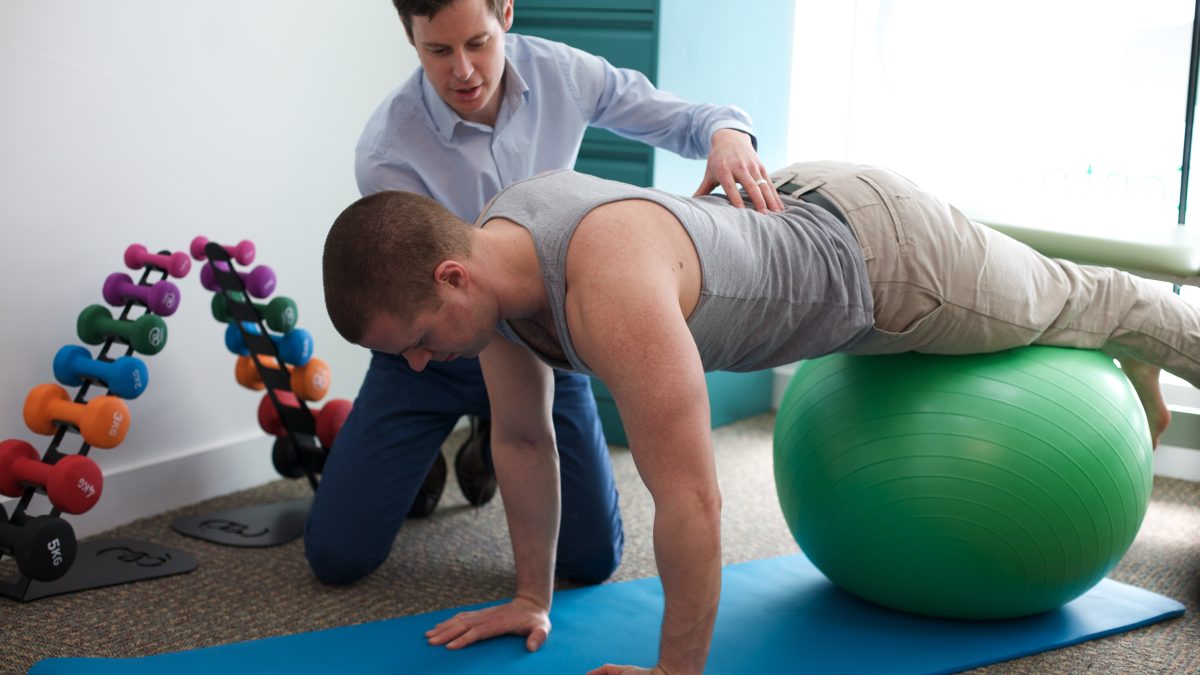
Specialist Physiotherapists at Evidence-Based Therapy Centre
In addition to undergraduate training, our physiotherapists have specialist areas of interest and have undergone post-graduate training. This allows them to keep up-to-date with the very latest research and developments in their clinical areas of interest.
Our Lead Physiotherapist – Eoin Ó Conaire – is an internationally recognised expert in the management of shoulder pain and also has a special interest in neck and arm pain, nerve pain, and complex presentations such as Thoracic Outlet Syndrome. He also You can read more about his background and experience here
Sylvia Farrell is specialist in Women’s & Men’s pelvic health. This highly specialist area of physiotherapy includes multiple aspects such as pelvic pain, incontinence, problems related to pregnancy or post pregnancy, sexual dysfunction and osteoporosis. You can read more about Sylvia’s approaches here
Nigel Plummer is specialist in provision of physiotherapy-led exercise classes, strength and conditioning and spinal pain. You can read more about Nigel here
If you are not sure which physiotherapist is most suitable for your particular problem then you can speak to our reception team will can answer any questions and match you to the most appropriate specialist.
See below a list of some of the conditions that we commonly treat:
Low back pain including sciatica and referred pain
Neck pain and whiplash disorders
Shoulder and arm pain
Hip and Knee pain
Foot and ankle pain
Sports injuries
Chronic pain
Elbow problems including tennis elbow
Wrist and hand problems
Work related pain including pain related to using keyboards
Headaches
Rehabilitation after surgery
Osteoarthritis and rheumatoid arthritis
Pregnancy related musculoskeletal pain
Tendon problems – tendinopathies
Thoracic Outlet Syndrome and other nerve related conditions
Assessment and diagnosis comes first!
To ensure a thorough assessment and accurate diagnosis, the first session is 60 minutes long. This gives time for you to ask lots of questions and to make sure that you understand:
• What is wrong with me?
• Why has this happened to me?
• How long will it take to get better?
• What can I do to help myself?
• What are the treatment options?
• What is the relevant research evidence?
A treatment plan can then be discussed and agreed and usually we can start treatment straight away.
Treatment sessions and treatment approaches
The subsequent follow-up appointments are usually 30 minutes long.
Musculoskeletal Physiotherapists use a wide variety of skills including manual techniques (joint/spinal mobilisation, soft tissue releases), therapeutic exercise, acupuncture, electrical muscle stimulation (TENS), Clinical Pilates, education and advice in order to relieve symptoms, restore function and prevent recurrence. To achieve the desired treatment goals you will often need to actively participate in the therapy and do some exercises at home and make changes to some of your activities.
If you would like to book an appointment with any of our physiotherapists, you can call the clinic on 091 727777 or get in touch via our contact page or email us on admin@ebtc.ie


