Painful numb legs when kayaking
September 24, 2025
What is Mindfulness?
October 2, 2025By Dr Roisin Joyce, Lead Clinical Psychologist
The Slow Journey to a Daily Practice
I was first introduced to mindfulness meditation back in 2009 during a training course. We explored different practices— breathing, mindful eating, even mindful conversations. I’ll admit, it all felt a bit strange at first. (Chewing a Malteser slowly and walking around paying attention to each step was not something I was used to!)
But I couldn’t ignore how I felt afterwards – calmer and more present. When I began teaching mindfulness exercises myself, I noticed the same pattern. At first, people resisted, but afterwards they reported feeling more grounded and less overwhelmed.
Even so, I didn’t practice regularly myself. I told myself I didn’t have 20 minutes a day to spare. Deep down, I knew this wasn’t true (especially given the Dalai Lama’s quote: “If you don’t have 20 minutes a day to meditate, you need an hour.”). But excuses are powerful, and so my practice remained inconsistent.
The Turning Point
Three and a half years ago, on my birthday, I gifted myself 20 minutes of mindful breathing. Sitting on my bed with a timer set, I noticed how cluttered my mind was with other people’s problems and stories. That realisation hit me, no wonder I often felt overwhelmed, I rarely gave my mind space to rest.
That day, I made a commitment. If I asked my clients to carve out time for themselves, I needed to practice what I preach. Since then, I’ve meditated for 20–30 minutes every day. And it has changed my life in more ways than I anticipated.
Here are the biggest shifts I’ve noticed:
1. The Joy of Time to Myself
At first, the simple act of giving myself 20 minutes felt revolutionary. Life is busy and meditation became a daily reminder that I am worth my own time and attention.
2. Taking Back Control from My Thoughts
Our minds can be like wild horses—brilliant but restless. Meditation helped me realise I don’t have to act on every thought. Just because my mind screams “Reply to that email now!” doesn’t mean I have to. I can let thoughts pass by. That freedom has lowered my stress levels hugely.
3. Responding, Not Reacting
Overtime, I’ve become better at noticing my urges before acting. It’s as if I see a little preview clip of possible outcomes before choosing. This awareness has led to wiser choices, and when I do slip up, I can take responsibility without beating myself up. I know I’m doing my best.
4. A Deeper Connection with Myself
Meditation helped me tune into what I actually need, instead of what the world tells me I need. For example, staying up late watching Netflix no longer feels harmless—I can hear my inner wisdom gently asking, “Why do this when you will feel awful tomorrow?” That quiet, compassionate voice has become louder and I’ve learned to trust it. Who knew that we know exactly what to do, if we would just slow down and listen.
5. More Compassion for Myself (and Others)
When you see how often your mind reacts automatically, it’s easier to forgive yourself—and others too. We’re all doing our best within the limits of our bodies and minds. This realisation gives me hope and patience.
6. Real Peace Within
Externally, nothing has changed—tasks still pile up, responsibilities remain. But internally, I feel calmer. I can choose to move at a steadier pace, knowing everything will either get done or fall away. Either way, I’ll be okay.
Marcus Aurelius captured it beautifully:
“For nowhere can you find a more peaceful and less busy retreat than in your own soul—especially if on close inspection it is filled with ease, which I say is nothing more than being well-ordered.”
How to Start Your Own Practice
If you’re curious about trying this for yourself, here’s a simple way to begin:
Pick a time you can commit to each day.
Set a timer for 20 minutes (or start smaller if that feels easier).
Sit comfortably and bring attention to your breath.
When your mind wanders (and it will), gently notice and return to the breath.
Continue until the timer ends.
Spend 5 minutes reflecting on what came up.
That’s it. No need to complicate it.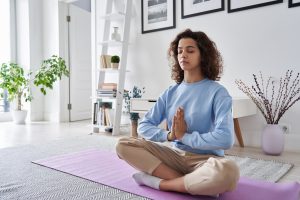
Final Thoughts
If I could speak to my younger self, I’d tell her to start a regular practice much sooner. Would she have listened? Probably not. But if you’re reading this and even a little curious, I’d encourage you to give it a try.
Meditation doesn’t just create calm moments—it changes the way you meet life.